
Small Bedroom Ideas – How to Make a Small Bedroom Look Bigger


A small bedroom can quickly feel cluttered and cramped when the wrong furniture or decor is used. But having a small space doesn't mean you have to give up on beautiful furniture or a cozy interior. With a few clever design tricks, you can make even the smallest bedroom feel brighter, more spacious, and inviting. Let me show you how to make a small bedroom look bigger!

Choose Light and Neutral Colors
The simplest advice you often hear when decorating a small bedroom is to use white. While bright colors like white can certainly help make a room feel more open, they can sometimes make the space feel a little flat. Instead, it's important to use colors in the right way.
Try to avoid harsh contrasts between large surfaces and furniture. For example, a dark accent wall paired with bright furniture or dark bedding on a white bed frame can create strong visual stopping points. Too many of these contrasts can make a small room feel even more divided and cramped.
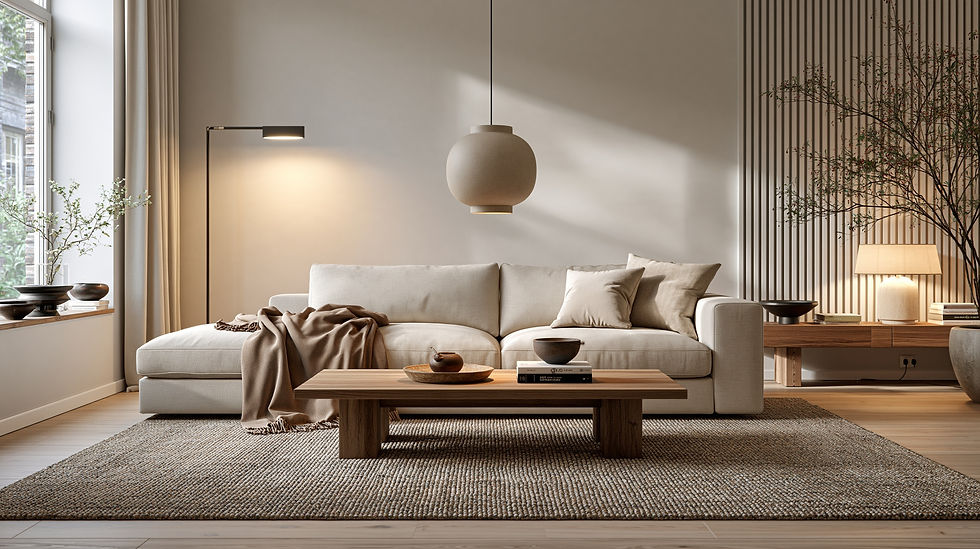
Instead, try a monochromatic approach. Choose soft, neutral colors that belong to the same undertone family. This doesn't mean everything has to be exactly the same shade. The trick is to layer different tones of the same color, combining light, medium, and slightly darker shades to create depth while keeping the overall look calm and cohesive. For example, you could combine warm white walls with beige bedding, light taupe curtains, and slightly darker brown cushions. Natural wood furniture also works beautifully with this color palette. These subtle variations create a cozy, layered look without making the room feel visually crowded.

Use Furniture That Fits Your Space
When furnishing a small bedroom, try to avoid furniture that looks too bulky or heavy. Even if a piece technically fits into your room, it's important to leave some breathing room between your furniture. Large pieces that fill every corner can quickly make a bedroom feel cramped and crowded. The goal isn't necessarily to use only small furniture, but to leave enough open space for the eye to wander.
One simple way to achieve this is by choosing furniture with visible legs. Beds, nightstands, and dressers that stand slightly above the floor allow you to see more of the floor underneath, making the room feel more open and airy. You can create a similar effect with wall-mounted furniture, such as floating nightstands or shelves, which free up valuable floor space.
Another helpful trick is to avoid filling every empty corner with furniture or decoration. Leaving some areas open gives the room more breathing space and prevents it from feeling overcrowded. For example, instead of placing a large nightstand on each side of your bed, try using one slim nightstand and leaving the other side open. This creates a lighter look without sacrificing functionality. In the end, it's not about minimizing everything, but about finding the right balance between furniture, proportions, and open space.

Make Use of Vertical Space
Most people think that making a small room look bigger means making it feel wider. However, drawing the eye upward can be just as effective. You often have more vertical space than you realize, and using it wisely can make your bedroom feel taller, lighter, and more spacious.
When choosing furniture, try to look for taller and slimmer pieces rather than wide and bulky ones. For example, a tall wardrobe or a narrow bookshelf makes better use of your wall height without taking up too much floor space. This also helps keep the room feeling open rather than overcrowded.
Another great way to make use of vertical space is by adding wall-mounted shelves. They provide extra storage without taking up valuable floor space and give you the opportunity to display a few decorative pieces. Just be careful not to fill every shelf, as too much decoration can quickly make a small room feel cluttered.
You can also use curtains to make your bedroom appear taller. Instead of hanging them directly above the window, place the curtain rod closer to the ceiling and choose long curtains that reach the floor. This creates the illusion of higher ceilings and makes the entire room feel more elegant.
The key is to make use of the space you already have, especially the areas above eye level. By directing attention upward, you can create a sense of height and make even a small bedroom feel more spacious.

Keep Your Bedroom Clutter-Free
One of the easiest ways to make a small bedroom feel bigger is to keep it organized and clutter-free. When too many things are scattered around the room, it can quickly feel crowded and overwhelming. Keeping things tidy allows the eye to focus on the space itself rather than all the little details.
A great way to achieve this is by making use of hidden storage. Storage boxes under your bed, baskets, or organizers inside your wardrobe help keep everyday items out of sight while making the most of the space you have. Instead of leaving clothes, accessories, or other small items on visible surfaces, give everything a designated place.
It's also worth paying attention to your nightstand and other surfaces. Try not to fill them with too many decorative pieces or everyday essentials. A small lamp, a book, and one or two carefully chosen accessories are often enough to make the space feel styled without looking cluttered.
However, keeping your bedroom clutter-free doesn't mean getting rid of everything you love. Personal touches, cozy textiles, and a few decorative pieces are what make a bedroom feel like home. The trick is to be intentional about what you display and give everything else a proper place.

Use Mirrors and Lighting to Create More Space
Mirrors and lighting are two simple but effective ways to make a small bedroom feel bigger and brighter.
Let's start with mirrors. A large mirror can create the illusion of more space by reflecting light and making the room feel deeper. If possible, try placing a mirror opposite or next to a window so it can reflect natural daylight throughout the room. Full-length mirrors are especially practical because they serve a purpose while also making a stylish addition to your bedroom.
Lighting is just as important. Natural light helps create an open and airy atmosphere, so try to keep your windows as unobstructed as possible. Choose light curtains that allow daylight to pass through rather than heavy fabrics that block it. When it comes to artificial lighting, don't rely on just one ceiling light. Instead, use several smaller light sources throughout the room. Wall-mounted bedside lamps, small table lamps, or subtle accent lighting can help create a more balanced atmosphere. This also allows you to avoid bulky floor or table lamps that take up valuable space.

Choose the Right Curtains and Textiles
The right curtains and textiles can make a big difference in how spacious a small bedroom feels. While heavy fabrics and too many different patterns can make a room feel visually crowded, lighter materials and harmonious colors help create a calm and airy atmosphere.
When choosing curtains, opt for light and flowing fabrics such as linen or sheer cotton. They allow natural light to filter into the room and keep the space feeling bright. Another simple trick is to hang your curtains closer to the ceiling rather than directly above the window. Floor-length curtains can make your walls appear taller and give the entire room a more elegant look.
The same principle applies to your bedding and other textiles. Try to stick to a cohesive color palette and combine different textures instead of introducing too many contrasting colors or patterns. For example, you could layer cream-colored bedding with a soft beige throw blanket and a few textured cushions in warm taupe shades. This creates depth and makes your bedroom feel cozy without overwhelming the space.
A small bedroom doesn't have to feel cramped or limit your interior design options. With the right color palette, thoughtfully chosen furniture, and a few clever styling tricks, you can create a space that feels much bigger than it actually is. Remember, it's not about filling every corner or getting rid of everything you love. It's about finding the right balance between functionality, open space, and personal touches. In the end, the best bedroom is one that not only looks beautiful but also feels comfortable and inviting.
Do you have a small bedroom? Which of these tips would you try first?


Comments